puppy growth chart
A friendly guide to puppy growth, socialization, feeding, exercise, and vet milestones during the first year.
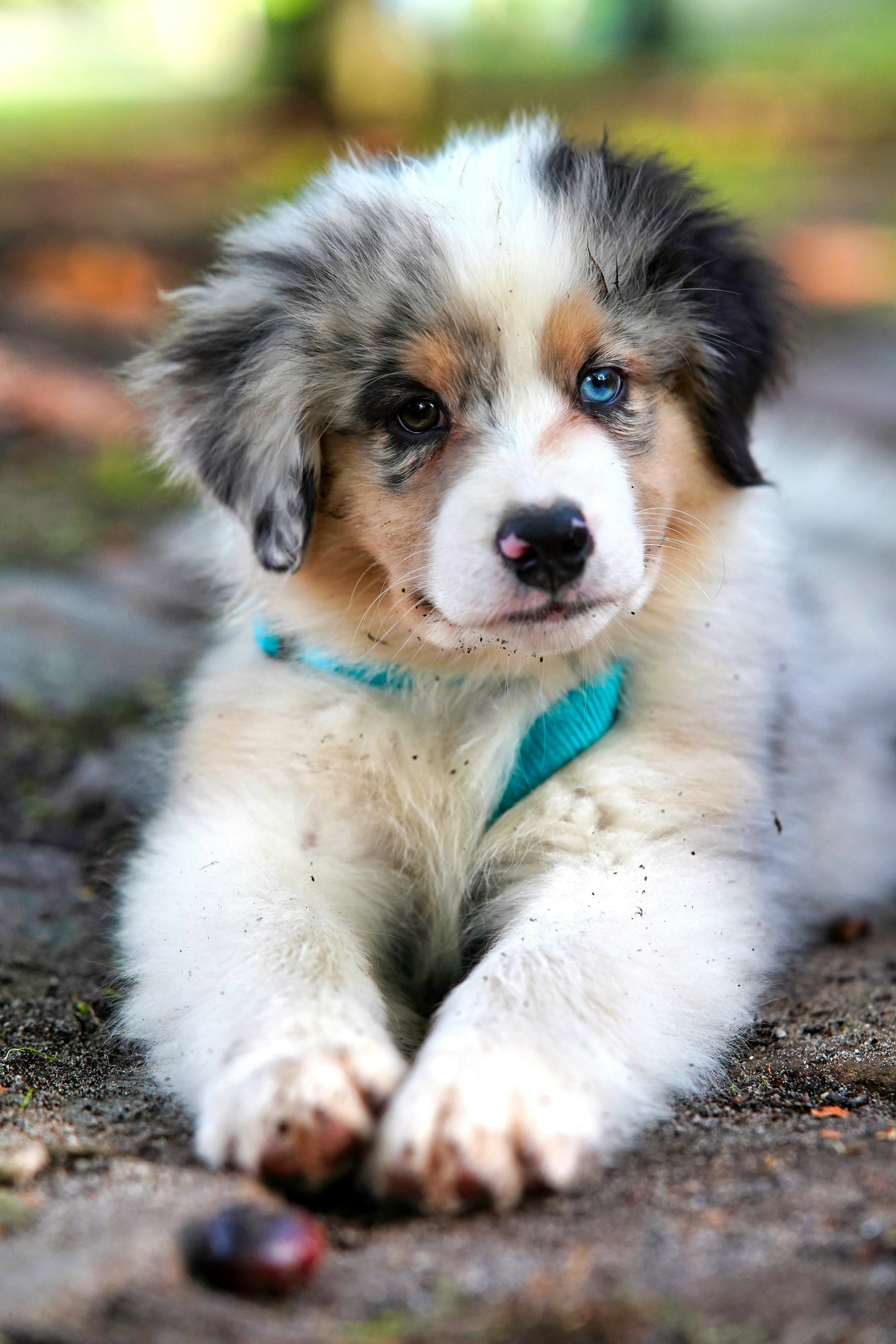
The First Year Is Fast
A puppy's first year includes enormous physical and emotional change. They learn how the world feels, what people mean, where to potty, how to rest, how to use their mouth gently, and whether new experiences are safe. Their body is also building bone, muscle, teeth, immune protection, and coordination at a pace that will never be repeated in quite the same way.
Because growth is so intense, puppy care should be structured without becoming harsh. Good food, vaccine visits, parasite prevention, safe socialization, sleep, play, and kind training all work together. The aim is not to rush a puppy into adulthood. It is to build confidence and health while their body and brain are most impressionable.
A Practical First-Year Timeline
The first weeks at home are usually about safety, bonding, house training, crate or rest routines, and learning the household rhythm. By three to four months, many puppies are absorbing social lessons quickly, but they still need disease-aware guidance from a veterinarian. Around adolescence, which can arrive earlier than owners expect, training may feel uneven as curiosity and independence grow.
By the end of the first year, many small and medium dogs look physically adult, while large and giant breeds may still be developing. Emotional maturity can take longer than height. A one-year-old dog may know many cues and still need patience, repetition, and thoughtful exercise.
- 8-12 weeks: bonding, safe handling, early house training, gentle exposure.
- 3-5 months: vaccine visits, supervised social learning, short training games.
- 6-12 months: adolescence, stronger routines, impulse-control practice.
- 12+ months: adult transitions vary by breed size and individual growth.
Growth Depends on Size
Toy breeds may look adult quickly. Giant breeds need careful nutrition and controlled growth because their bones and joints are developing under a lot of future body weight. This is one reason large-breed puppy food exists: growth should be steady, not pushed as fast as possible.
Avoid guessing supplements for a growing puppy. A complete puppy diet matched to expected adult size is usually safer than improvising. Too much calcium, too many calories, or the wrong balance of nutrients can create problems, especially for large and giant breeds.
Exercise and Rest Both Matter
Puppies need movement, but they do not need forced endurance. Short play sessions, sniffing, gentle training, and exploration are usually better than long repetitive runs. Watch the puppy in front of you: if they get wild, bitey, clumsy, or unable to settle, they may need sleep more than another game.
Rest is part of growth. A predictable quiet place helps puppies recover from stimulation and prevents the household from accidentally teaching them that constant activity is normal. Healthy adulthood often begins with learning how to calm down.
What New Puppy Owners Often Miss
Many puppy struggles are not obedience problems. A puppy who bites at night may be overtired. A puppy who refuses walks may be overwhelmed by noise or surfaces. A puppy who has accidents may not yet understand the routine or may need more frequent trips outside. Reading the situation kindly usually works better than assuming the puppy is being difficult.
The first year is also when handling habits become easier to teach. Practice touching paws, ears, collar, mouth, and body gently while rewarding calm behavior. These small sessions can make grooming, nail trims, dental care, and veterinary exams much less stressful later.
- Reward calm handling before grooming becomes urgent.
- Build house-training around timing, supervision, and praise.
- Keep social exposure positive and short enough to succeed.
- Protect sleep as seriously as play.
Article FAQ
Common questions about this guide
When is a puppy fully grown?
Small breeds may mature near one year, while large and giant breeds can continue growing for longer.
Can puppies exercise like adult dogs?
Puppies need play and exploration, but forced high-impact exercise should be avoided until growth is more complete.
Try our free dog age calculator
Turn this guide into a personalized result with FurTimer's dog age calculator, including dog years to human years, life stage, and breed-size lifespan range.
Try FurTimer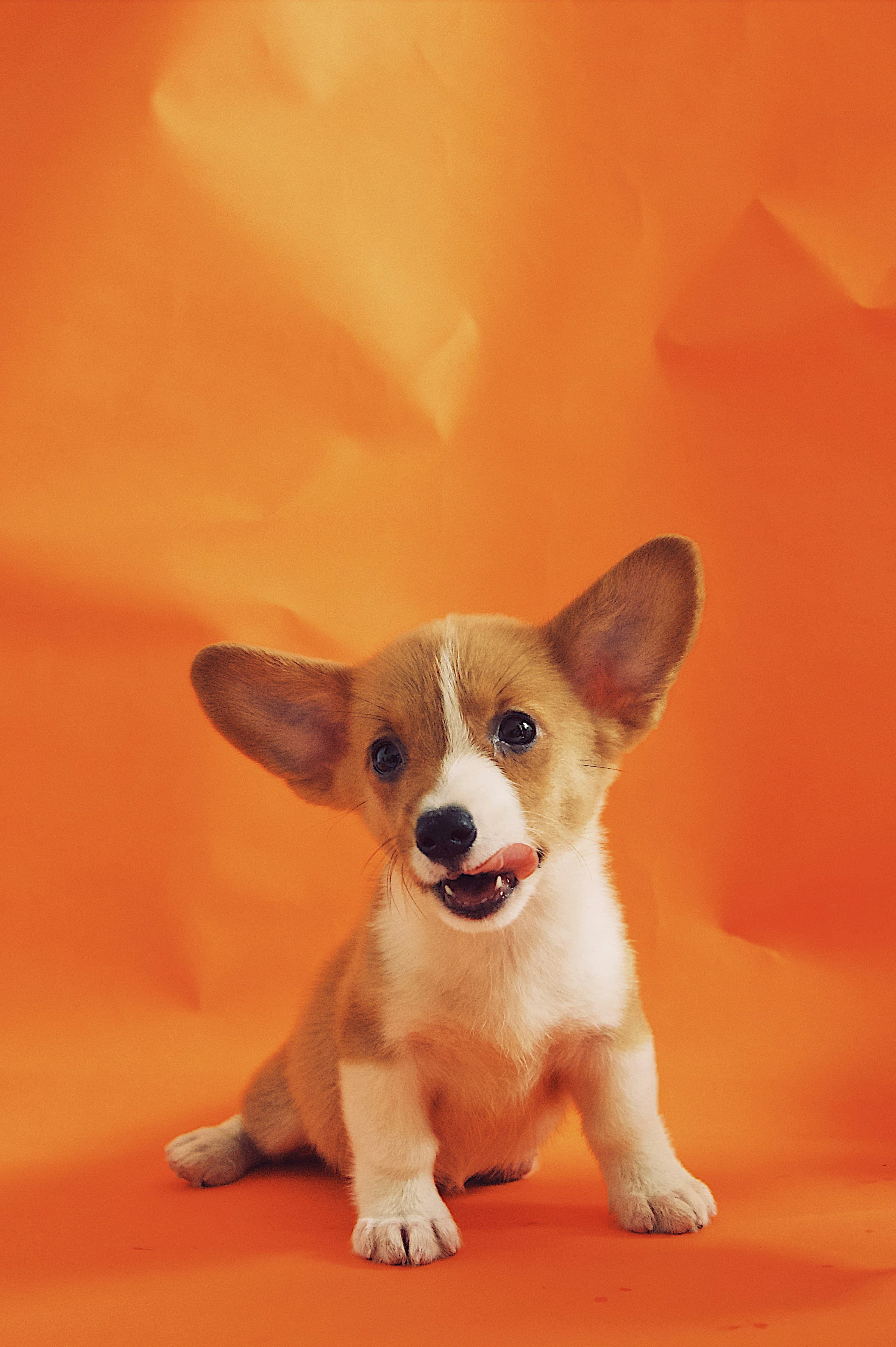
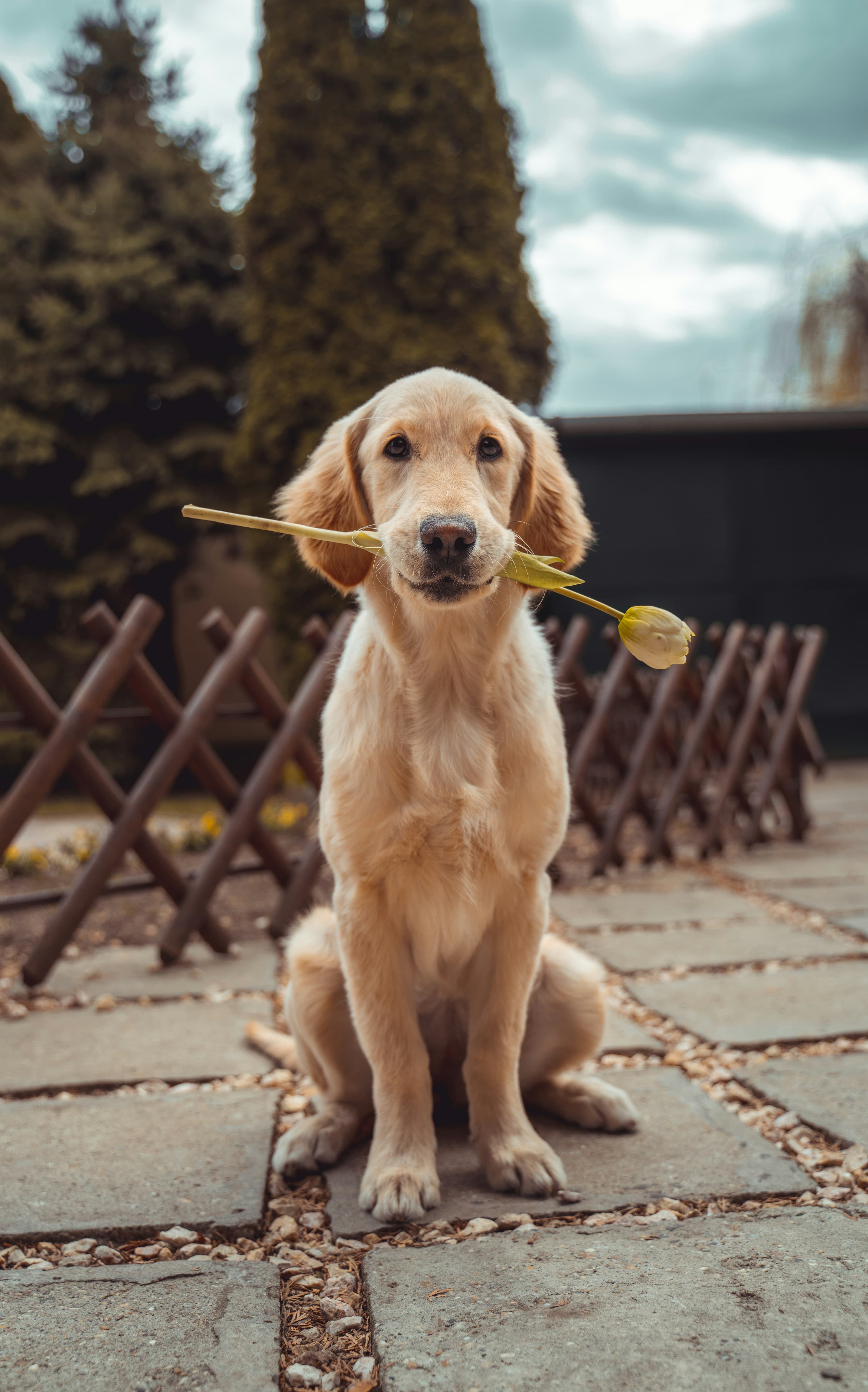
Socialization Is Not Just Meeting Dogs
Safe socialization means positive exposure to sounds, surfaces, handling, car rides, grooming tools, calm people, household routines, and the normal rhythm of the world. It should be gradual, not overwhelming. A puppy who is flooded with noise or crowded dog greetings may become more worried, not more confident.
Ask your veterinarian how to balance socialization with disease prevention before vaccines are complete. The right answer can depend on local risk. When in doubt, choose controlled exposure: carrying a small puppy through a new environment, inviting a calm vaccinated dog you trust, or practicing gentle handling at home.