healthy weight dog lifespan
Why body condition matters for dog lifespan, joint comfort, energy, and senior wellness.
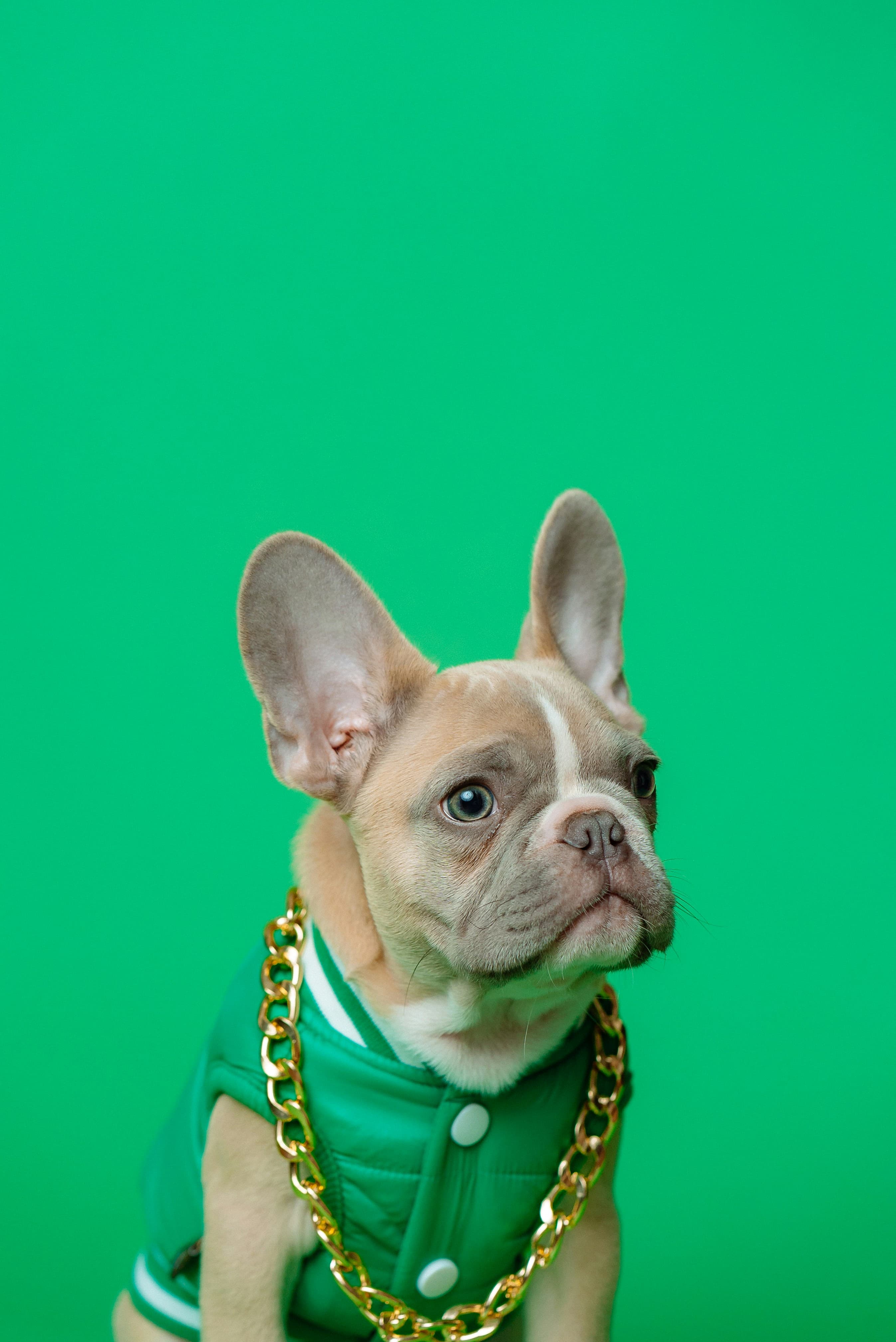
Why Weight Matters
Extra weight makes many normal dog activities harder. It can stress joints, reduce stamina, complicate breathing, make heat harder to tolerate, and make aging less comfortable. A few extra pounds may not sound dramatic to a human, but on a small dog it can represent a large percentage of body weight.
Healthy weight is one of the most practical ways owners can support lifespan and quality of life. It is not glamorous, but it works. A lean dog usually moves more easily, recovers better from activity, and places less load on painful joints.
Use Body Condition, Not Guesswork
A scale number is helpful, but body condition is better. Dogs have different frames, coats, and muscle levels. Your vet can show you what a healthy waist and rib feel should be for your dog. In many dogs, you should be able to feel ribs with light pressure and see a waist from above.
Photos every month can reveal slow changes that are hard to notice day by day. Take the same angles in similar lighting: side view, top view, and standing naturally. The goal is not criticism. The goal is honest information.
Small Habits That Help
Measure meals, use part of dinner as training treats, choose lower-calorie rewards, and keep walks regular. If weight is not changing, revisit the plan with your vet. Sometimes the solution is a portion adjustment; sometimes a medical issue, medication, or reduced activity is part of the story.
Never crash-diet a dog. Weight loss should be steady and medically sensible. Rapid restriction can backfire, especially in dogs with health conditions. A kind weight plan is measured, patient, and based on the dog's body condition rather than guilt.
When Weight Does Not Change
If your dog's weight is not changing despite careful effort, pause and collect better information. Weigh food with a measuring cup or kitchen scale, list every treat and chew, note who else feeds the dog, and track activity honestly. Many plateaus come from small uncounted calories rather than failure.
If the numbers truly make sense and weight still does not move, involve your veterinarian. Pain may be limiting activity, a medication may affect appetite, or a medical issue may need checking. Weight management should be practical and compassionate, not a guessing game.
Article FAQ
Common questions about this guide
How do I know if my dog is overweight?
Ask your veterinarian for a body condition score; you should usually be able to feel ribs without heavy pressure.
Do treats count toward calories?
Yes. Treats, chews, table scraps, and training rewards can add significant calories.
Try our free dog age calculator
Turn this guide into a personalized result with FurTimer's dog age calculator, including dog years to human years, life stage, and breed-size lifespan range.
Try FurTimer