dog exercise by age
Age-aware exercise ideas for puppies, adult dogs, mature dogs, and seniors, with safety tips by life stage.
The Best Exercise Plan Fits the Dog in Front of You
There is no perfect number of minutes that works for every dog. Age matters, but so do breed, body condition, weather, terrain, training, medical history, and personality. A young herding dog may need problem-solving and movement. A short-nosed dog may need careful heat management. A senior dog may need movement that protects joints without draining energy.
The goal is not exhaustion. The goal is a dog who can move comfortably, sleep well, maintain healthy weight, and enjoy life. Exercise should build confidence and fitness, not create soreness that shows up the next day.
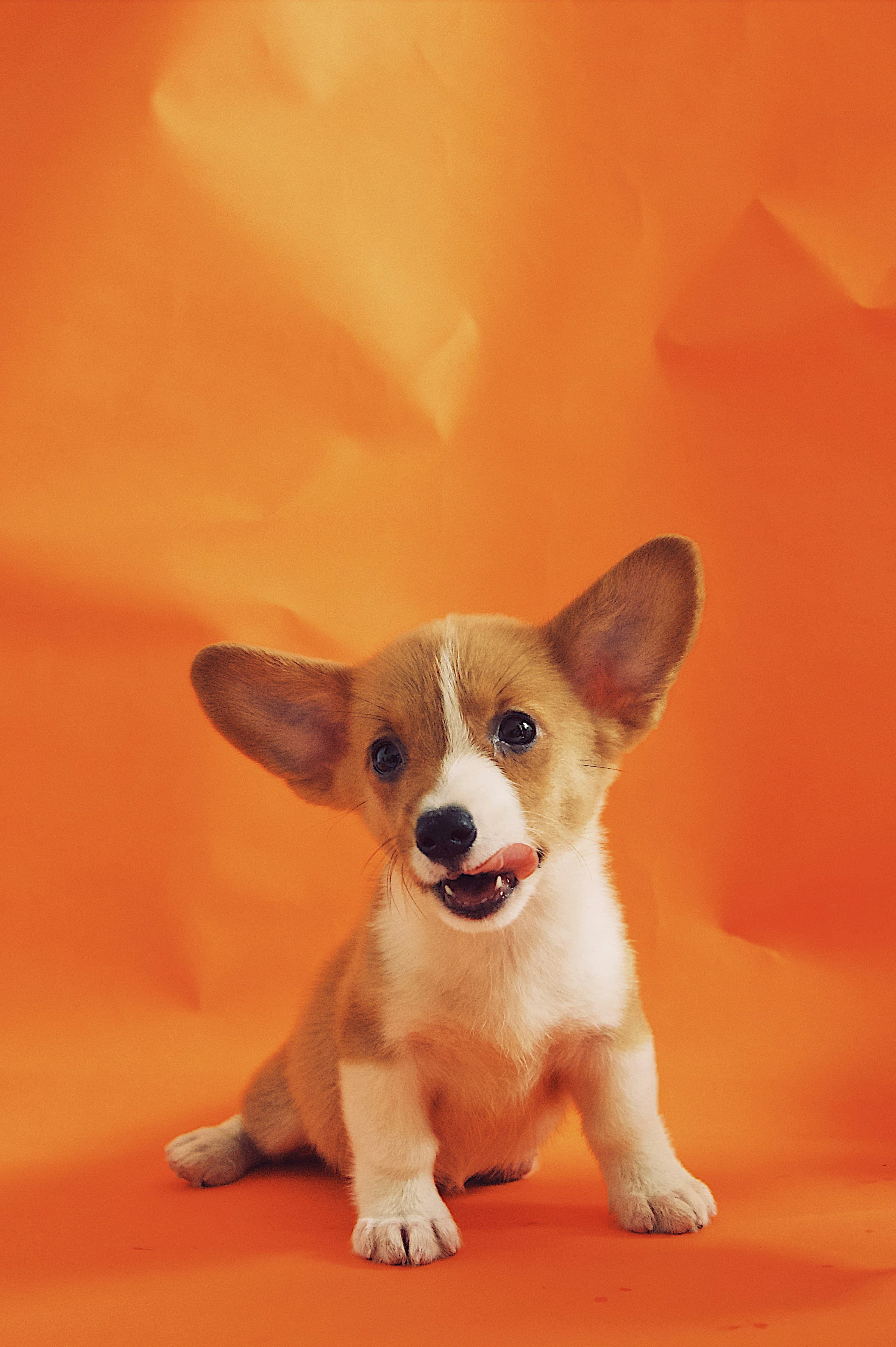
Puppies Need Play, Not Pressure
Puppy exercise should be playful, varied, and broken into short sessions. Let them explore safely rather than forcing long repetitive runs. Growing joints and soft tissues are still developing, especially in large and giant breeds.
Training games, gentle tug, sniff walks, and calm social exposure can tire a puppy's brain without overloading their body. If a puppy becomes frantic, mouthy, or clumsy, that may be a sign they need rest rather than more stimulation.
Adults Need Consistency
Adult dogs often thrive with daily walks, play, training, and breed-appropriate outlets. A bored herding dog and a couch-loving companion may need different plans. Some dogs need running, retrieving, scent work, swimming, hiking, or agility-style games; others are healthiest with calm predictable walks.
Consistency matters more than heroic weekend activity. Sudden hard exercise after a quiet week can lead to soreness or injury. If your dog has been inactive, build gradually the same way a person would after time away from exercise.
Mature Dogs Need Recovery Time
Mature dogs may still want to do everything they did at three years old, but recovery can change first. Watch the day after activity. Stiffness after sleep, reluctance to jump, lagging on stairs, or extra panting can tell you the session was too much even if your dog looked excited in the moment.
This is a good age to add warm-ups, softer surfaces, controlled strength, and more sniffing. Mental work can carry some of the load when high-impact play becomes less sensible.
Seniors Need Gentle Momentum
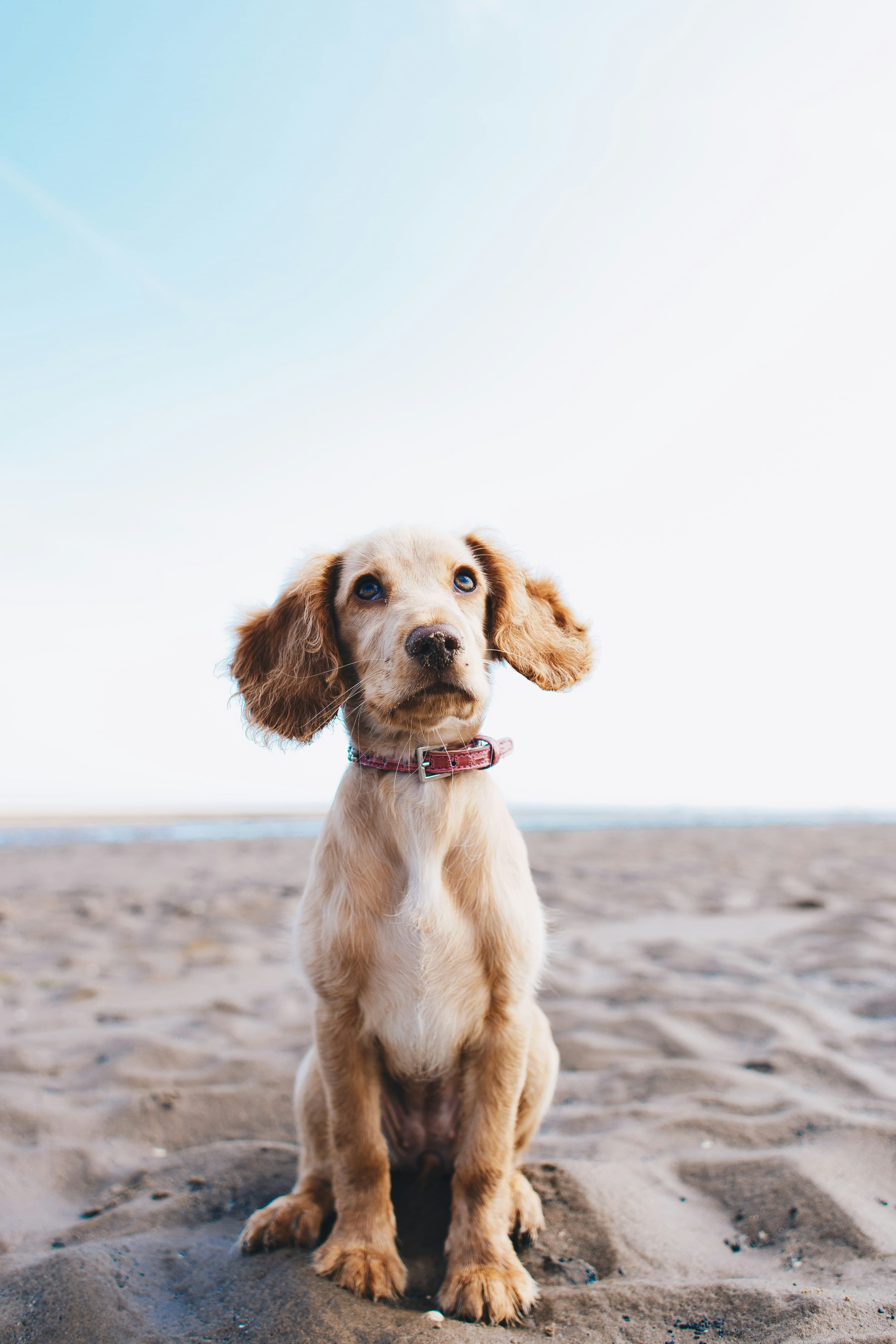
Senior dogs may prefer shorter walks, soft footing, swimming if safe, scent games, and warm-up time. Watch for limping, lagging, panting, coughing, confusion, or reluctance after activity. A senior dog who suddenly refuses a familiar walk is giving useful information.
Movement should preserve comfort and confidence. If your dog seems painful, ask your vet before assuming it is just age. Pain management, weight control, physical therapy, home changes, or medication can sometimes bring back activities owners thought were gone forever.
Signs the Exercise Plan Is Working
A good exercise plan usually shows up in the ordinary parts of the day. Your dog settles well after activity, wakes without dramatic stiffness, keeps a stable appetite, maintains a healthy weight, and still seems interested in the next walk or game. They may be tired afterward, but they should not look punished by the routine.
If your dog is sore the next day, avoids the leash, limps after rest, pants heavily in mild weather, coughs, or seems unusually quiet, reduce intensity and ask for veterinary advice. Exercise should be adjusted before discomfort becomes the normal price of fun.
- Good sign: relaxed tiredness after activity.
- Warning sign: stiffness, limping, coughing, or reluctance afterward.
- Adjustment: shorter sessions, softer surfaces, more sniffing, and slower progress.
Article FAQ
Common questions about this guide
Do senior dogs still need exercise?
Yes. Most senior dogs benefit from gentle regular movement, adjusted for pain, stamina, and veterinary advice.
Can puppies go on long runs?
Forced endurance exercise is usually not appropriate for growing puppies, especially large breeds.
Try our free dog age calculator
Turn this guide into a personalized result with FurTimer's dog age calculator, including dog years to human years, life stage, and breed-size lifespan range.
Try FurTimer