dog diet by life stage
Learn how dog nutrition needs shift from growth to adult maintenance to senior comfort and medical support.
The Big Picture
A good dog diet is not just a brand choice. It is a match between the dog, the food, and the way meals are managed at home. Life stage matters because a growing puppy, a steady adult, a mature dog gaining weight, and a senior dog with medical needs are not asking the same thing from their food.
The most useful nutrition conversations include body condition, muscle condition, activity, treats, medical history, stool quality, appetite, and the exact food being fed. That is why WSAVA encourages nutrition assessment as part of routine veterinary care rather than something owners only discuss when there is a problem.
Puppy Nutrition
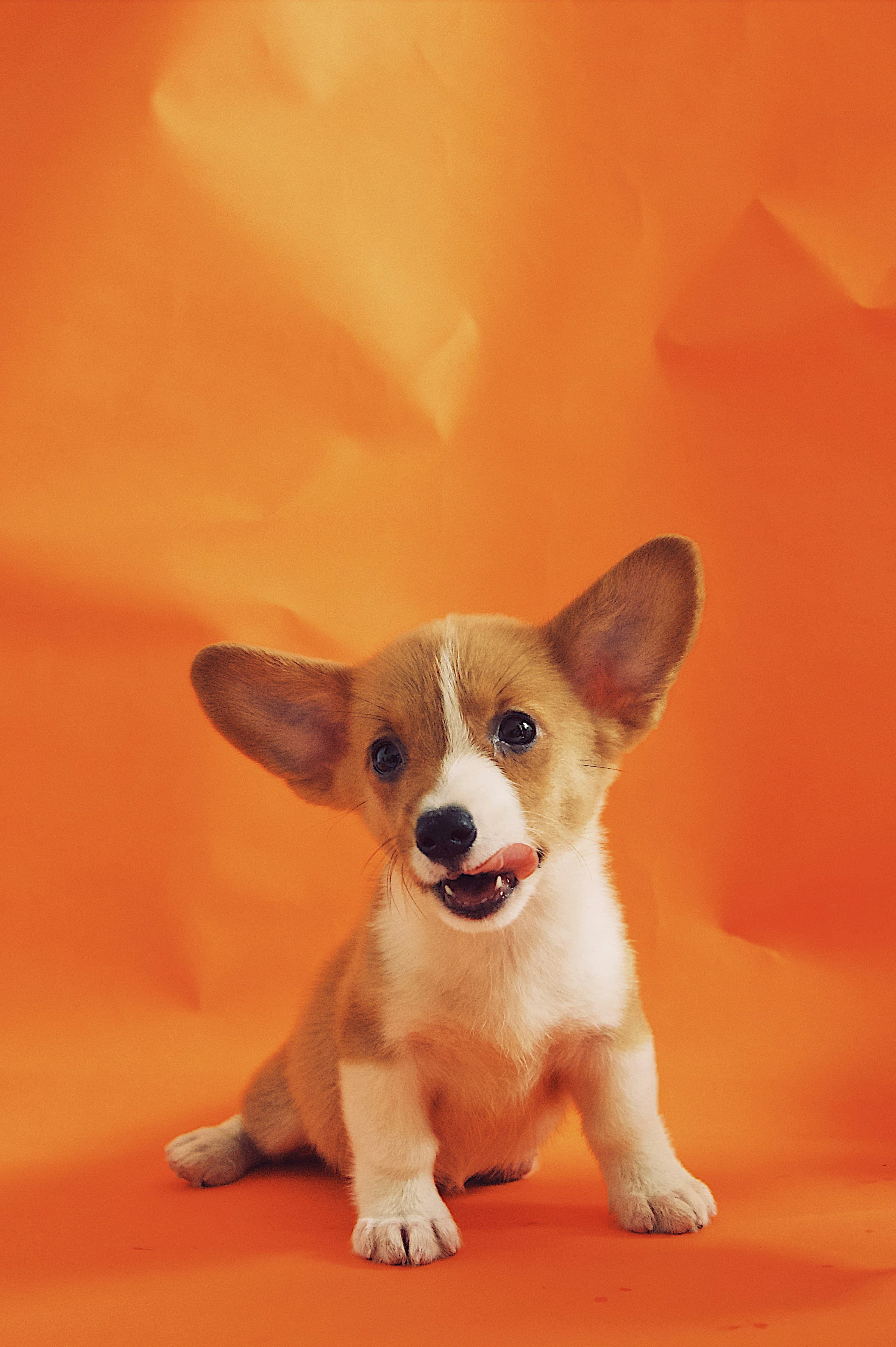
Puppies need food designed for growth. Large-breed puppies especially need controlled mineral and calorie balance to support healthy skeletal development. Faster growth is not always better growth. The goal is steady development with the right nutrient balance for expected adult size.
Treats should stay small and training-friendly. Too many extras can unbalance the diet and create weight habits early. If you are using many rewards for training, take part of the daily food portion and use it during lessons so learning does not quietly become overfeeding.
Adult Maintenance
Adult dogs need a complete diet that matches activity and body condition. The bag's feeding guide is a starting point, not a law. A working farm dog, a city apartment companion, and a weekend hiking dog may all need different portions even if they weigh the same.
If your adult dog is gaining weight, measure meals, count treats, and talk with your vet before simply cutting food dramatically. If your dog is losing weight or seems hungry despite appropriate meals, that also deserves attention. Nutrition is not only about calories; it is also about health signals.
Mature Dogs Often Need Small Adjustments
Mature dogs may still look active while their metabolism, muscle, joints, or dental comfort begin to change. This is a smart time to review portion size, treat habits, protein quality, and whether your dog is keeping muscle as well as weight. A scale can miss muscle loss when fat gain happens at the same time.
Ask your veterinarian to show you body condition scoring. You should generally be able to feel ribs without digging through a thick layer of fat, and your dog should have a visible waist from above. These simple checks are more useful than guessing by coat shape.
Mature and Senior Diets
Older dogs may need adjustments for calories, protein, fiber, dental comfort, kidney disease, arthritis, or other conditions. There is no universal senior menu. Some senior dogs need fewer calories because they move less. Others need carefully chosen calories because they are losing weight or muscle.
A good diet plan should make your dog feel better, not just match a marketing label. Before switching foods because a bag says 'senior,' ask what problem you are trying to solve: weight, stool, joints, teeth, appetite, disease management, or convenience.
How to Change Food Safely
Food changes are usually easier when they are gradual. Mix a small amount of the new food into the old food, then increase the new portion over several days if your dog is comfortable. Some dogs need a slower transition, especially if they have sensitive digestion or a medical condition.
Watch stool, appetite, vomiting, gas, itching, and energy during the change. If your dog has kidney disease, allergies, pancreatitis history, digestive disease, or unexplained weight loss, do not treat diet changes as a casual experiment. Ask your veterinarian what the food is meant to accomplish and how you will know whether it is working.
- Change one major diet variable at a time when possible.
- Measure portions during the transition so calories do not creep upward.
- Call your vet for vomiting, diarrhea, refusal to eat, or sudden weight change.
Article FAQ
Common questions about this guide
When should a puppy switch to adult food?
The timing depends on expected adult size and growth rate, so ask your veterinarian before switching.
Do all senior dogs need senior food?
No. Senior diet choices should depend on body condition, activity, medical history, and veterinary advice.
Try our free dog age calculator
Turn this guide into a personalized result with FurTimer's dog age calculator, including dog years to human years, life stage, and breed-size lifespan range.
Try FurTimer